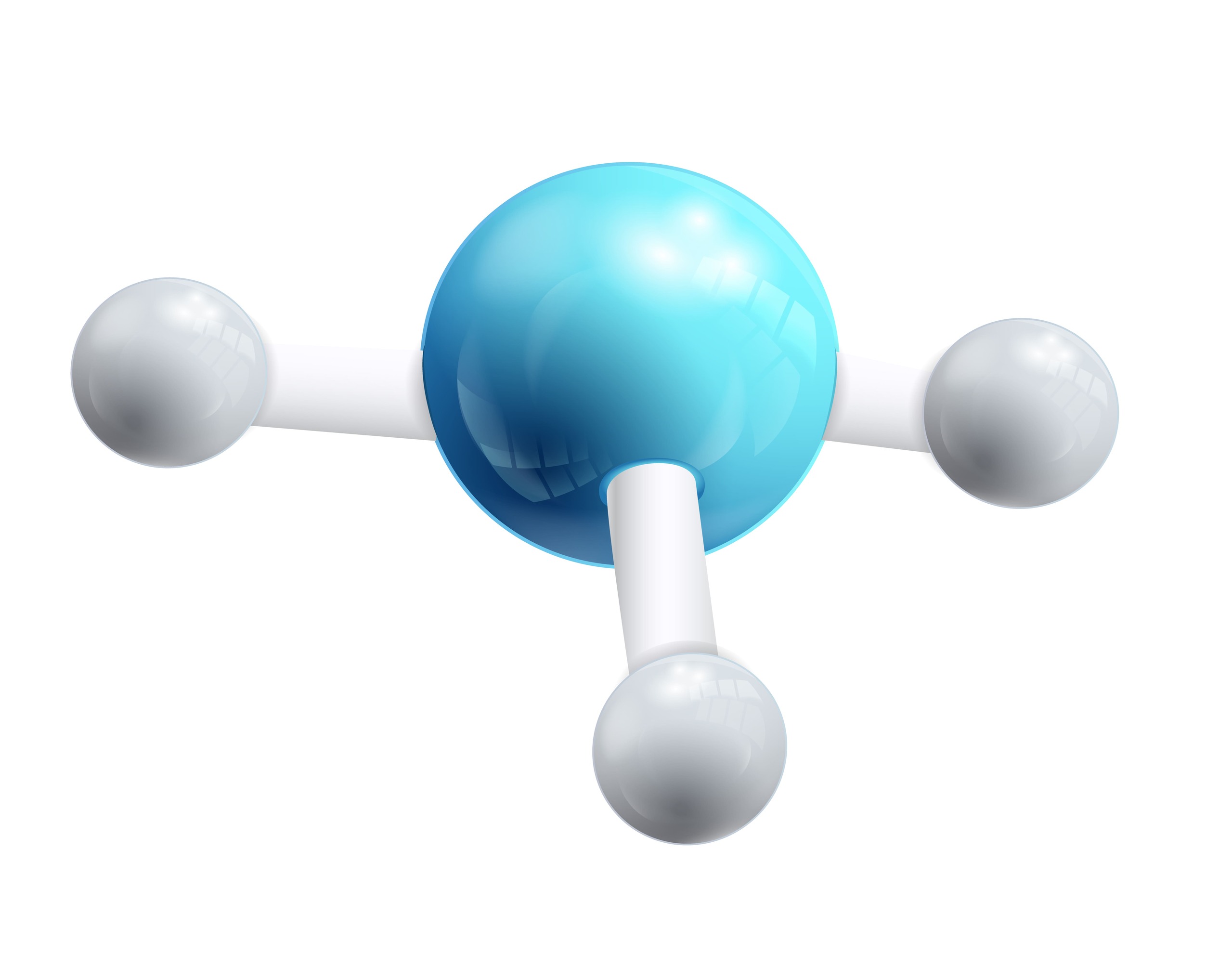
Molecular descriptors are a fundamental concept in cheminformatics, bioinformatics, and computational chemistry. They play a pivotal role in characterizing and quantifying the structural and physicochemical properties of molecules. These descriptors are crucial for various applications, including drug discovery, chemical informatics, predictive modeling, and property prediction.
Definition of Molecular Descriptors:
Molecular descriptors, also known as chemical descriptors or molecular properties, are numerical or categorical representations of a molecule’s characteristics. These characteristics encompass a wide range of information, from the molecule’s size and shape to its chemical reactivity and electronic properties. Molecular descriptors provide a standardized and quantitative way to describe and compare molecules.
Types of Molecular Descriptors:
Molecular descriptors can be categorized into several types based on the aspects of molecules they represent:
1. Constitutional Descriptors: These descriptors encode basic molecular information, such as the number of atoms, bonds, rings, and functional groups in a molecule. Examples include molecular weight, molecular formula, and the number of hydrogen bond acceptors and donors.
2. Topological Descriptors: Topological descriptors capture the connectivity of atoms in a molecule without considering bond lengths or angles. They are often used in graph-based representations of molecules. Examples include Wiener index, Randic index, and molecular branching indices.
3. Geometrical Descriptors: These descriptors focus on the three-dimensional (3D) geometry of molecules, including measures of molecular size, shape, and symmetry. Examples include molecular volume, surface area, and moments of inertia.
4. Electronic Descriptors: Electronic descriptors pertain to the electronic structure and properties of molecules. They include information about molecular orbitals, electron density, ionization potential, and electron affinity.
5. Quantum-Chemical Descriptors: These descriptors are derived from quantum-mechanical calculations and provide detailed information about a molecule’s electronic and structural properties. Examples include HOMO (highest occupied molecular orbital) and LUMO (lowest unoccupied molecular orbital) energies.
6. Thermodynamic Descriptors: Thermodynamic descriptors relate to a molecule’s thermodynamic stability and behavior under specific conditions. These include properties like Gibbs free energy, enthalpy, and entropy.
7. Spectroscopic Descriptors: Spectroscopic descriptors are derived from spectroscopic techniques such as nuclear magnetic resonance (NMR) and infrared (IR) spectroscopy. They include parameters like chemical shifts and vibrational frequencies.
8. Hybrid Descriptors: Hybrid descriptors combine information from multiple sources or descriptor types to provide a more comprehensive representation of a molecule. For example, molecular docking scores, which combine geometric and energetic information, are hybrid descriptors used in molecular docking studies.
Applications of Molecular Descriptors:
Molecular descriptors serve as valuable tools in various scientific and industrial applications:
1. Drug Discovery: In pharmaceutical research, molecular descriptors are used to predict the bioactivity, toxicity, and pharmacokinetic properties of potential drug candidates. Quantitative Structure-Activity Relationship (QSAR) models rely on molecular descriptors to correlate chemical structures with biological activities.
2. Cheminformatics: Molecular descriptors are essential for chemical database searching, compound library design, and virtual screening. They enable the identification of structurally similar compounds with desired properties.
3. Material Science: In materials research, descriptors aid in the design of new materials with specific properties, such as polymers, catalysts, and nanomaterials.
4. Environmental Chemistry: Molecular descriptors are employed to assess the environmental fate and toxicity of chemical compounds, aiding in risk assessment and regulatory compliance.
5. Computational Chemistry: Molecular descriptors are integral to molecular modeling, molecular dynamics simulations, and quantum chemistry calculations. They provide input parameters and aid in the interpretation of simulation results.
6. Chemoinformatics: In chemoinformatics, molecular descriptors facilitate data mining, chemical clustering, and chemical diversity analysis. They enable chemists to explore and visualize chemical space.
7. Property Prediction: Molecular descriptors are used to predict various properties of molecules, including solubility, partition coefficients, boiling points, and melting points.
Available Molecular Descriptors software and tools:
There are several molecular descriptor calculation tools and software widely used in cheminformatics and computational chemistry. Some popular options include:
RDKit: An open-source toolkit for cheminformatics that provides a wide range of descriptor calculation functions. It is written in Python and offers a user-friendly interface.
ChemPy: A Python library specifically designed for molecular descriptor calculation. It is lightweight and easy to integrate into various workflows.
PaDEL-Descriptor: A standalone software that calculates a comprehensive set of molecular descriptors. It offers a graphical user interface for ease of use.
CDK (Chemistry Development Kit): An open-source Java library for cheminformatics that includes descriptor calculation capabilities. It can be integrated into Java-based applications.
Dragon: A commercial software package known for its extensive set of molecular descriptors and advanced cheminformatics tools. It offers a user-friendly graphical interface.
MOE (Molecular Operating Environment): A comprehensive commercial software suite that includes molecular descriptor calculation among its many features. It is widely used in drug discovery and computational chemistry.
These tools and software packages cater to a range of user preferences, from open-source options like RDKit to comprehensive commercial solutions like MOE, providing flexibility and versatility for molecular descriptor calculations in various research contexts.
Challenges and Advancements:
Despite their utility, molecular descriptors have limitations. They may not capture all relevant information about a molecule, and the choice of descriptors depends on the specific research question. Moreover, the sheer volume of possible descriptors for complex molecules can be overwhelming.
Advancements in machine learning and artificial intelligence have led to the development of descriptor selection techniques and automated feature engineering. These approaches help identify the most informative descriptors for a given prediction task, reducing dimensionality and improving model performance.
In conclusion, molecular descriptors are essential tools for characterizing and quantifying molecular properties. They find widespread use in drug discovery, materials science, computational chemistry, and various other fields. As computational methods and machine learning continue to advance, molecular descriptor-based approaches will remain indispensable for understanding and predicting the behavior of molecules in diverse applications.